Attention-Deficit / Hyperactivity Disorder (ADHD) is often discussed in terms of behavior patterns of distractibility, impulsivity, restlessness, yet the roots of ADHD are neurological.
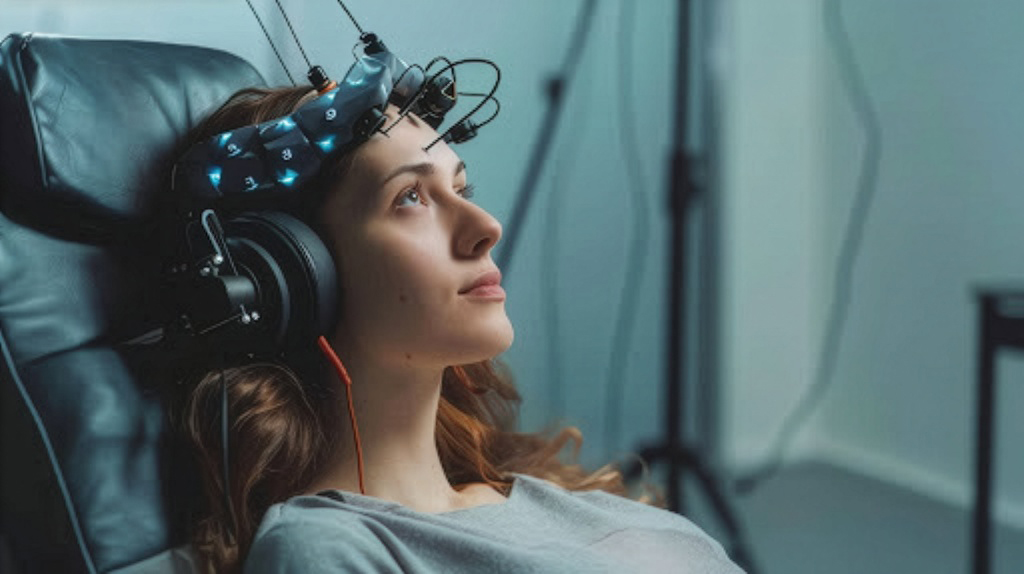
Attention-Deficit / Hyperactivity Disorder (ADHD) is often discussed in terms of behavior patterns of distractibility, impulsivity, restlessness, yet the roots of ADHD are neurological. Many individuals with ADHD are not lacking motivation or discipline, rather their brains are simply operating with patterns that make sustained attention and regulation more difficult.
Neurofeedback offers a drug-free, brain-based approach that helps improve focus, emotional stability, and cognitive performance by addressing these underlying patterns.
ADHD is closely associated with differences in brainwave activity, particularly in regions involved in attention, executive function, and self-regulation. Certain brainwave patterns may be underactive, while others may be overexpressed, contributing to symptoms such as:
These patterns are often interpreted as lack of discipline or effort, but they simply reflect how the brain is regulating itself.
Neurofeedback is designed to help the brain learn more efficient and balanced activity. By measuring brainwaves in real time (via EEG) and providing immediate feedback, the brain gradually shifts toward patterns associated with stable focus and cognitive control.
Because attention and emotional regulation are deeply interconnected, many clients report improvements not only in concentration but also in mood stability, frustration tolerance, and mental clarity. Rather than forcing focus through external stimulation, neurofeedback supports the brain’s natural self-regulation capacities.
Medication can be helpful for some individuals with ADHD, yet it does not work for everyone and may introduce unwanted side effects. Neurofeedback differs in several important ways:
For individuals seeking alternatives to medication, or complementary support alongside medical care, neurofeedback can be a valuable option.
While every individual is unique, common outcomes observed in neurofeedback training include:
Children may demonstrate better behavioral regulation and academic engagement, while adults often report increased productivity, clarity, and reduced overwhelm.
Neurofeedback is a learning process for the brain, and consistency is key. Many individuals begin noticing subtle shifts within 6–10 sessions, though a typical course often involves 20–30 sessions.
The number of sessions varies based on symptom severity, neurological patterns, stress levels, and treatment goals. Some individuals benefit from shorter courses, while others with more complex regulation challenges may continue longer.
Neurofeedback can be beneficial for both children and adults, though treatment considerations differ.
For children, goals often include improving attention, behavioral regulation, and academic functioning. Training is typically structured to be engaging and comfortable.
For adults, neurofeedback frequently targets sustained concentration, cognitive endurance, emotional regulation, and performance under stress. Many adults seek treatment after years of coping with attentional challenges in professional environments.
In both populations, treatment is individualized to the person rather than the diagnosis alone.
ADHD is a reflection of how the brain regulates attention and arousal. Neurofeedback works by helping the brain develop more adaptive patterns, often resulting in improvements that feel natural and sustainable.
For individuals seeking drug-free ADHD treatment or complementary support, neurofeedback represents a neuroscience-informed approach that addresses attention at its source.
Stay informed about the latest research in psychology.

Learn how belief shapes your thoughts and emotions, and discover practical ways to build a more confident and resilient mindset.

Learn how childhood trauma influences attachment styles and relationship patterns, and how therapy can support emotional healing.

Learn how neurofeedback helps regulate brain activity, reduce insomnia, and restore healthy sleep patterns naturally.

