
Covering a broad range of mental health topics, coping strategies, and self-care tips.

Covering a broad range of mental health topics, coping strategies, and self-care tips.
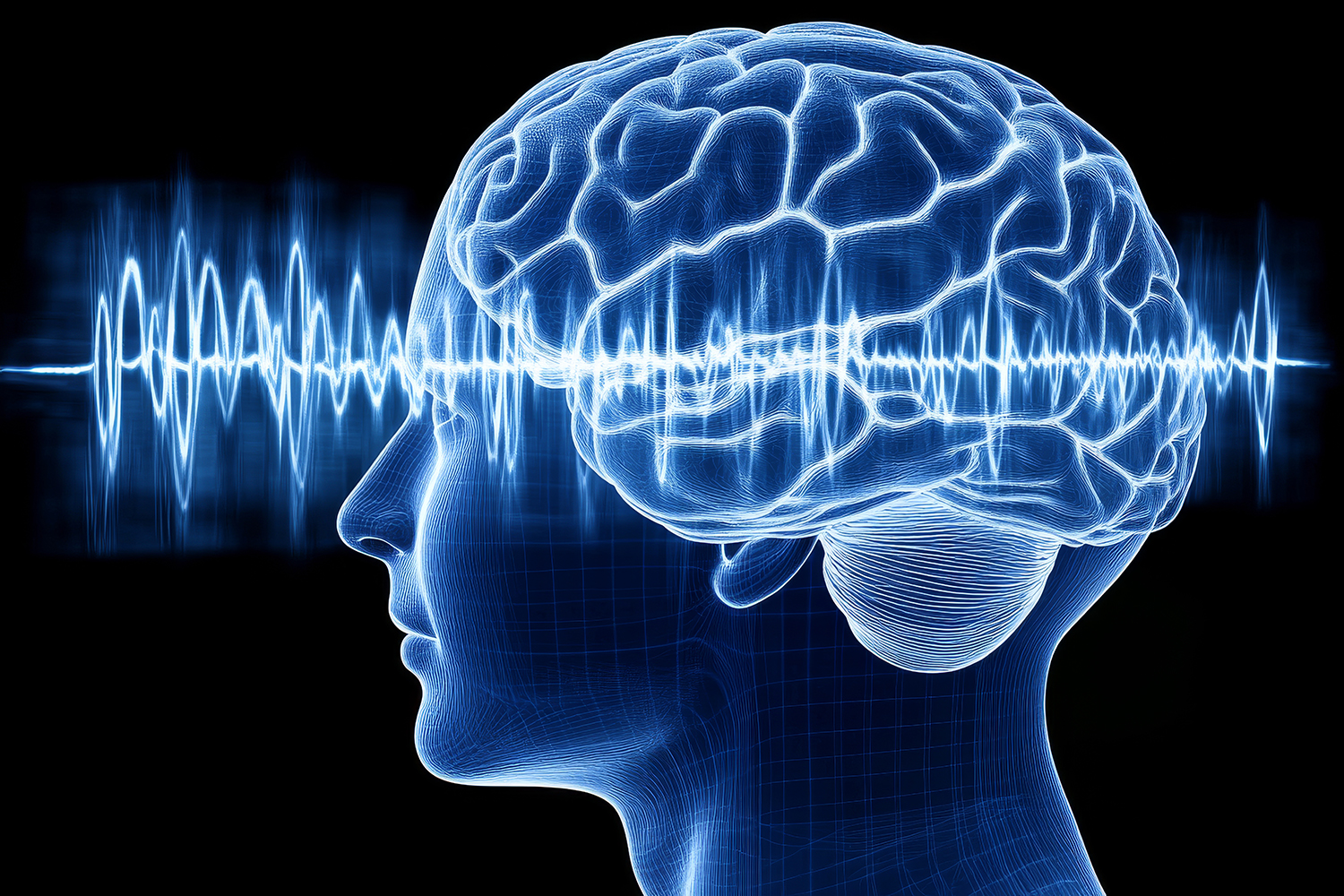
If you’ve been struggling with anxiety, difficulty focusing, poor sleep, or feeling emotionally overwhelmed, you may have heard neurofeedback mentioned as a treatment option. Neurofeedback is a non-invasive form of brain training that helps the brain learn to regulate itself more effectively.

When anxiety feels constant or overwhelming, it’s easy to assume the problem lives entirely in your thoughts. In reality, anxiety is deeply connected to the nervous system, and one of the most important components is the vagus nerve.

For many people in the Pacific Northwest, winter brings more than rain and shorter days. It brings a noticeable shift in mood, energy, and motivation. Seasonal Affective Disorder (SAD) is a form of depression that follows a seasonal pattern, and it’s especially common in regions like Seattle and Bellevue where daylight hours drop significantly in the fall and winter.

Fear is a foundational survival response shaped by evolutionary biology. The brain is designed to detect potential threats and trigger protective responses long before conscious reasoning becomes involved.

Attention-Deficit / Hyperactivity Disorder (ADHD) is often discussed in terms of behavior patterns of distractibility, impulsivity, restlessness, yet the roots of ADHD are neurological.

Modern psychology has made extraordinary advances in understanding thought patterns, behavior, and emotional health. Yet long before contemporary therapeutic models emerged, ancient traditions had already developed sophisticated systems for working with the mind.

Learn how neurofeedback helps regulate brain activity, reduce insomnia, and restore healthy sleep patterns naturally.

Learn how childhood trauma influences attachment styles and relationship patterns, and how therapy can support emotional healing.

Learn how belief shapes your thoughts and emotions, and discover practical ways to build a more confident and resilient mindset.

Trauma lives in the body, and if you've ever noticed your shoulders locked around your ears during a stressful conversation, or felt your chest tighten before you'd consciously registered a threat, you've experienced this firsthand.

If you've ever felt flooded by emotion and unable to think clearly, or, conversely, gone completely numb and checked out, you've experienced what therapists call dysregulation.

If you've spent any time researching therapy options, you've probably encountered both Cognitive Behavioural Therapy (CBT) and trauma-informed care.

Trauma is a common experience that can affect individuals in many different ways. While there are many treatments available for trauma, it is important to approach healing in a holistic way. This means taking into account all aspects of the individual’s life, including physical, emotional, mental, and spiritual health.

Do you suffer from stress, anxiety, depression, trauma or insomnia? If so, you are not alone. Millions of people around the world struggle with these conditions on a daily basis. Fortunately, there are many techniques that can help manage the symptoms.

A simple breathing practice designed to promote relaxation, focus, and emotional balance.

If you are one of the millions of people who suffer from Insomnia, you know how frustrating and debilitating it can be. Insomnia can lead to poor sleep quality, which can then lead to daytime fatigue, irritability, difficulty concentrating and focusing, and a host of other problems like anxiety and depression.

Experiencing trauma in early life can have a ripple effect that extends into adulthood. Oftentimes, people who have faced trauma struggle with relationships because they replay harmful patterns learned in childhood. This can manifest in many ways, such as difficulty trusting others, feeling isolated, feeling shame, struggling with unresolved anger, being defensive or difficulty communicating needs.

In our constantly moving and connected world, it seems like concentration has become a lost art. Between notifications buzzing on our phones, people talking around us, and the hundreds of things vying for our attention, it can be tough to focus on one task for any length of time.

Autism as defined by the Autism Research Institute is: “A developmental disorder with symptoms that appear within the first three years of life”. Its formal diagnostic name is autism spectrum disorder (ASD). The word “spectrum” indicates that autism appears in different forms with varying levels of severity. That means that each individual with autism experiences their own unique strengths, symptoms, and challenges.

A simple but powerful exercise to help improve relaxation and focus.
.jpg)
Neurofeedback is a form of biofeedback that measures brain activity in real-time and provides feedback to the user through visual or auditory cues. This feedback allows the user to gain insight into their own brain activity and make conscious changes to it. In recent years, neurofeedback has been studied as a potential treatment for addiction.

Neurofeedback also known as EEG biofeedback is a type of therapy that has been shown to be effective in treating the symptoms of many anxiety disorders. This therapy works by training patients to alter their brainwave activity, thereby helping them to better regulate their emotions and overcome the symptoms of anxiety.

Depression is a serious mental disorder that affects how you feel, think and act. It occurs when the chemicals in your brain are out of balance.As depression disrupts daily life, it can be debilitating for some individuals. If depression goes untreated, it could worsen the symptoms making them more severe and persistent.

Anxiety and depression are common mental health conditions that can have a negative impact on our quality of life. If left untreated, anxiety and depression can lead to other problems such as substance abuse, physical ailments, and insomnia.

Cognitive – behavior therapy and mindfulness have been shown to be effective in treating anxiety. Both types of therapy work by changing the way that people think about situations or events, helping them to see things in a more positive light and reducing their fears and worries.

It’s no secret that having belief in yourself is one of the most important things you can do to achieve contentment and happiness.Belief just is. It is the foundation of consciousness. And, it is what gives rise to complex behavior and actions.

Learning how to balance being mindful of the present, but also planning for the future are two essential skill sets. Being mindful of the present allows you to stay in a state of flow and stay grounded, while planning for the future enables you to more readily achieve your personal, professional and spiritual goals.

Covering a broad range of mental health topics, coping strategies, and self-care tips.

How yoga and mindfulness practices can help reduce anxiety and promote calm.

Supporting addiction recovery through structured therapy, healthier thinking, and coping strategies.

