Trauma lives in the body, and if you've ever noticed your shoulders locked around your ears during a stressful conversation, or felt your chest tighten before you'd consciously registered a threat, you've experienced this firsthand.
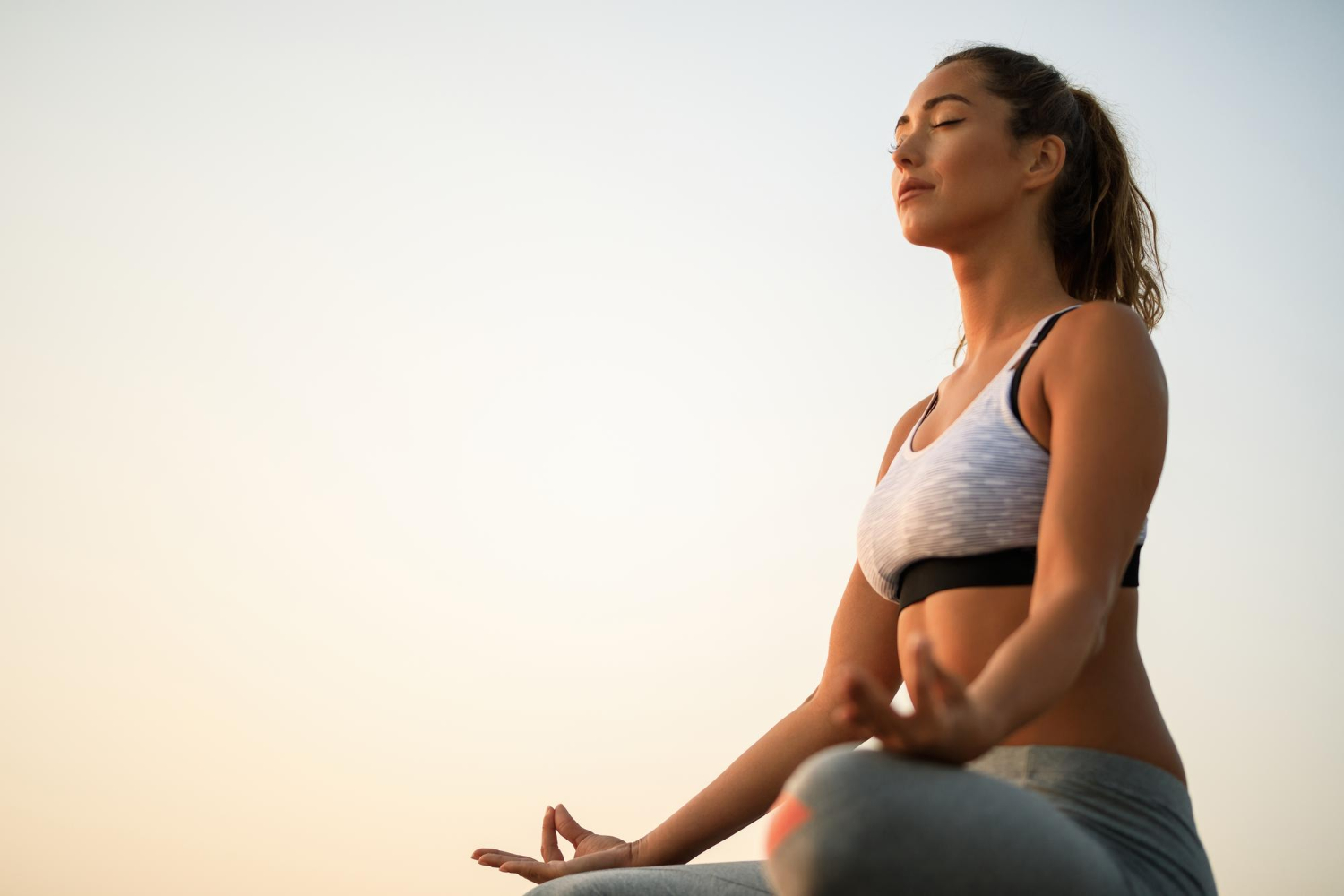
Trauma lives in the body, and if you've ever noticed your shoulders locked around your ears during a stressful conversation, or felt your chest tighten before you'd consciously registered a threat, you've experienced this firsthand. The nervous system holds the record of traumatic experiences within the physical body, often long after the mind has tried to move on.
This is why mindful movement exercise can be a useful tool in trauma recovery. Certain yoga techniques can create a direct line to the body's stored experience in a way that talk therapy alone often can't reach.
The five easy poses in this post are drawn from trauma-sensitive yoga practice. These are simple, accessible movements that support nervous system regulation, grounding, and the gradual rebuilding of a felt sense of safety in your own body.
These poses are intended as a complement to professional trauma support. If any pose brings up intense emotion or physical discomfort, stop and return to stillness. You are always in charge of your own practice.
Trauma-sensitive yoga (TSY) is an adaptation of traditional yoga practice developed specifically for people who have experienced trauma. It draws on research in trauma neuroscience and it differs from standard yoga classes in several important ways.
The principles that make it different
You don't need to be in a formal TSY class to apply these principles. The poses below are designed to be practised slowly, attentively, and with full permission to stop, modify, or rest at any moment.
What is Somatic Yoga
'Somatic' refers to the body as experienced from the inside. The sensations, breath, feeling, and movement. Somatic yoga for trauma applies this body-centred awareness to yoga practice, emphasising the internal experience of poses over their external appearance. The goal is to rebuild the connection between mind and body that trauma often disrupts, and to use that connection as a pathway to regulation and healing.
Understanding a little about what somatic yoga is actually doing neurologically can deepen your practice and help you notice its effects more clearly.
When trauma occurs, the body activates its survival responses: fight, flight, or freeze. These are automatic physiological events. The nervous system floods the body with stress hormones, tenses muscles, speeds the heart, and prepares for action or shutdown. When the threat passes, a healthy nervous system completes this cycle and returns to baseline.
Trauma disrupts this cycle. The stress response activates but doesn't fully resolve. The body remains in a state of incomplete action, braced, guarded, or collapsed, sometimes for years.
Mindful movement helps resolve these incomplete cycles. Slow, intentional movement paired with breath and present-moment attention activates the parasympathetic nervous system where the rest and digest actions occur. Over time, this teaches the nervous system that the body can be a place of safety rather than threat.
Nervous system state
What it looks like in the body
How somatic yoga helps
Hyperarousal (sympathetic activation)
Tense muscles, shallow breathing, racing heart, hypervigilance
Slow breath-led movement, long exhales, grounding postures activate the parasympathetic system
Hypoarousal (dorsal vagal shutdown)
Numbness, disconnection, collapse, fatigue, dissociation
Gentle, embodied movement with choice and agency begins to rebuild felt sense of safety in the body
Regulated (ventral vagal)
Calm, present, socially engaged, able to think and feel
Sustained practice widens the window of tolerance and builds the nervous system's capacity to remain here
Work through these in order if possible. The sequence moves from grounding to opening to restoration, following the natural arc of a trauma-sensitive practice. Take as long as you need in each pose. Three to five slow breaths is a minimum; five to ten is ideal.
Pose 1: Tadasana (Mountain Pose)
The foundation of everything by learning what it feels like to be fully present in your own body.
How to practice:
Modification / trauma-sensitive option:
If standing feels too activating, this pose can be practised seated in a chair with feet flat on the floor, spine long, hands resting on thighs. The grounding intention is identical.
Why it helps:
Mountain Pose is a deceptively powerful grounding practice. The deliberate attention to the feet and the contact with the earth activates proprioceptive awareness, the body's sense of where it is in space, which is often diminished in trauma. It begins to rebuild the felt sense of being safely located in a body, in a room, in the present moment.
Pose 2: Balasana (Child's Pose)
A posture of rest and self-containment signalling safety to the nervous system.
How to practice:
Modification / trauma-sensitive option:
Child's pose can feel vulnerable with the curled, forward posture involving a degree of surrender. If this feels too activating or unsafe, stay with Mountain Pose or practise a seated forward fold from a chair instead. Always honour what your body is telling you.
Why it helps:
The fetal-adjacent shape of Child's Pose activates the parasympathetic nervous system and can trigger a sense of containment and self-holding. The gentle compression on the front of the body can help quiet abdominal tension. For many people this pose becomes a reliable regulation anchor and a shape they can return to whenever they feel overwhelmed.
Pose 3: Viparita Karani (Legs Up the Wall)
A restorative inversion that directly down-regulates the stress response.
How to practice:
Modification / trauma-sensitive option:
If hamstring tightness makes the full pose uncomfortable, bend your knees slightly and rest the soles of your feet on the wall instead. A folded blanket under your hips can also reduce strain and make the pose more comfortable for longer holds.
Why it helps:
Legs Up the Wall is one of the most physiologically direct ways to activate the parasympathetic nervous system available in yoga. The mild inversion increases venous return to the heart, which lowers heart rate and reduces cortisol. The complete passivity of the pose and the absence of any effortful action can be genuinely novel and regulating for a nervous system habituated to vigilance and holding.
Pose 4: Supta Baddha Konasana (Reclined Bound Angle Pose)
An open, supported posture that builds tolerance for vulnerability.
How to practice:
Modification / trauma-sensitive option:
The open-hipped shape can feel exposed. If it feels too activating, keep the knees together and simply lie on your back with feet flat on the floor (Constructive Rest). The intention of present-moment body awareness with breath is the same.
Why it helps:
The hip area is where many people hold significant amounts of stored tension and emotion. This pose offers a gentle, supported opening of that region without force. The hand placement on belly and heart brings attention to two significant centres of physical sensation, gut feeling and heartfelt emotion, and helps build interoceptive awareness. Practised regularly, it can increase tolerance for the kind of felt vulnerability that trauma often makes unbearable.
Pose 5: Savasana (Corpse Pose)
The most underestimated pose in yoga — learning to simply exist without doing.
How to practice:
Modification / trauma-sensitive option:
Savasana can be surprisingly difficult for trauma survivors as the combination of stillness, closed eyes, and exposed posture can feel unsafe. Modifications that help: practise with eyes open and a soft gaze; bend the knees with feet flat on the floor; place a bolster under the knees; or cover yourself with a blanket for a sense of containment. The internal experience matters more than the shape.
Why it helps:
Savasana is where integration happens. The nervous system processes the work of the preceding poses during this rest. For trauma survivors, learning to tolerate stillness and the quiet of a regulated nervous system is itself a meaningful part of recovery. Many people report that Savasana becomes easier over time, and that the ability to simply rest without vigilance is one of the most tangible markers of progress.
Even 10–15 minutes of mindful movement three to four times a week can produce measurable nervous system changes over time. Consistency matters more than duration. A short daily practice, even just Mountain Pose and Child's Pose, will produce more benefit than an occasional longer session.
Integrating movement with trauma therapy in Bellevue
Beverly Brashen works with adults in Bellevue and the greater Seattle area using an integrative approach that weaves together trauma-informed therapy, somatic work, neurofeedback, CBT, and yoga psychology.
If you're looking to support your trauma recovery with both body-based and clinical approaches, free consultations are available. Reach out to find out whether this integrative model might be the right fit for you.
Stay informed about the latest research in psychology.

If you've spent any time researching therapy options, you've probably encountered both Cognitive Behavioural Therapy (CBT) and trauma-informed care.

If you've ever felt flooded by emotion and unable to think clearly, or, conversely, gone completely numb and checked out, you've experienced what therapists call dysregulation.
Learn how belief shapes your thoughts and emotions, and discover practical ways to build a more confident and resilient mindset.

