When anxiety feels constant or overwhelming, it’s easy to assume the problem lives entirely in your thoughts. In reality, anxiety is deeply connected to the nervous system, and one of the most important components is the vagus nerve. Understanding how this nerve works, and how to support it, can open the door to calmer states and greater emotional regulation.
This article explores what the vagus nerve is, how it influences anxiety, and practical ways to strengthen it naturally.
The vagus nerve is the longest cranial nerve in the body, running from the brainstem through the neck and into the chest and abdomen. It plays a central role in the parasympathetic nervous system, which is responsible for rest, digestion, and recovery.
When the vagus nerve is functioning well, it helps counterbalance the fight-or-flight response. It slows the heart rate, supports digestion, and signals to the brain that it is safe to relax. When vagal tone is low, the nervous system can remain stuck in a state of hyperarousal, making it difficult to calm down even when no immediate threat is present.
When the vagus nerve is underactive or dysregulated, anxiety symptoms may become more persistent and harder to manage. Common signs include:
These symptoms, while uncomfortable and destabilizing, are signals from the nervous system that it needs support.
Fortunately, there are gentle, accessible ways to stimulate the vagus nerve and encourage a calmer nervous system.
Breathing techniques are among the most effective. Slow, deep breathing, especially with longer exhales signals safety to the brain. Practices such as box breathing or extended exhale breathing can reduce anxiety within minutes.
Humming or chanting activates muscles in the throat connected to the vagus nerve. Even a few minutes of humming can help shift the nervous system toward relaxation.
Cold exposure, such as splashing cool water on the face or briefly using a cold compress on the neck, can stimulate the vagal response and interrupt anxious spirals.
When practiced consistently, these exercises help train the nervous system to return to calm more efficiently.
Polyvagal theory helps explain why anxiety feels so physical. It describes how the nervous system constantly scans for safety or danger and shifts between states of connection, fight-or-flight, or shutdown.
From this perspective, anxiety is not simply “overthinking”, rather it is the body responding to perceived threat. Supporting the vagus nerve helps widen the nervous system’s capacity to remain regulated, even under stress.
This framework is especially helpful for individuals with trauma histories, chronic stress, or long-standing anxiety.
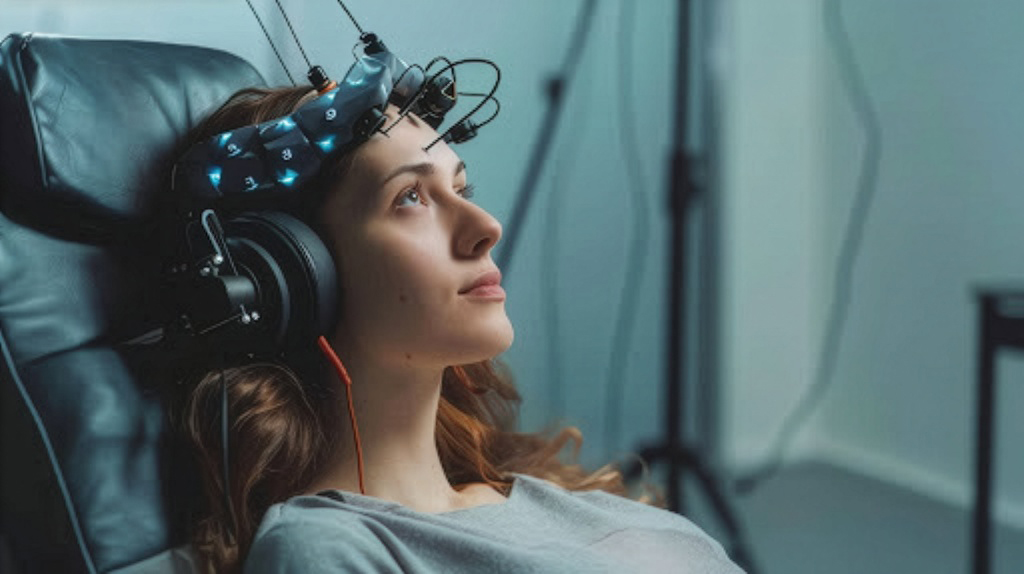
While simple exercises are helpful, deeper nervous system regulation often requires more comprehensive support. Neurofeedback works directly with brainwave activity to improve self-regulation and reduce chronic hyperarousal. Over time, this can strengthen vagal tone and improve emotional stability.
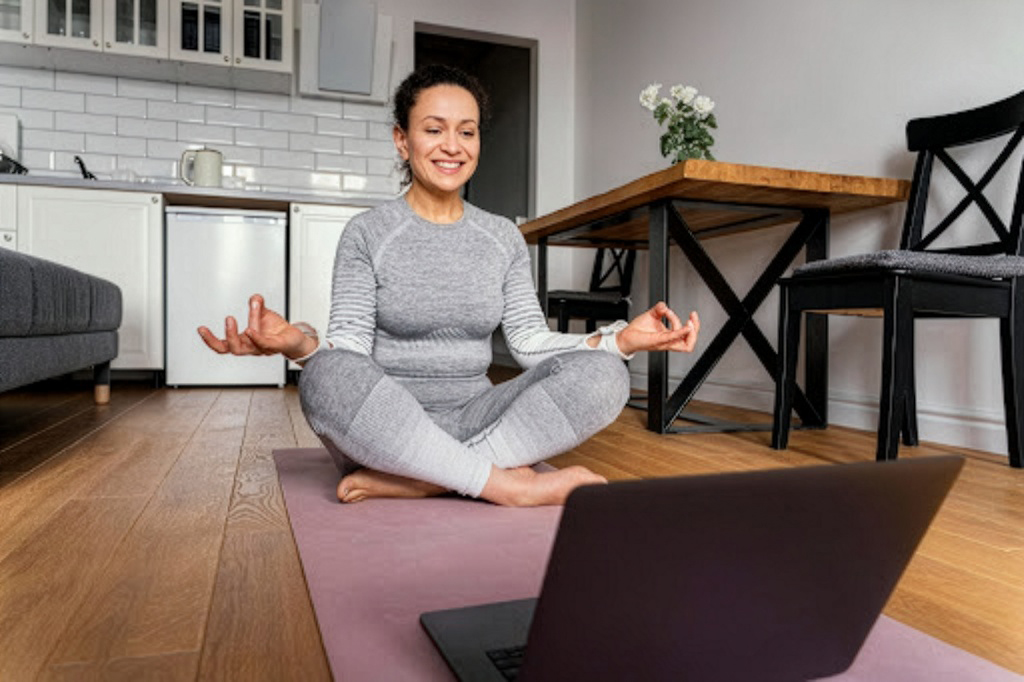
Mindfulness and yoga psychology practices complement this process by increasing awareness of bodily sensations, breath, and emotional states. Together, these approaches help retrain the nervous system rather than simply managing symptoms.
When the brain and body learn that it is safe to relax, anxiety naturally begins to soften.
Anxiety is not weakness, but a signal from the body.. By working with the vagus nerve, it’s possible to address anxiety at its root rather than fighting against it. Whether through simple daily exercises, neurofeedback, mindfulness practices, or integrative therapy, supporting vagal health can lead to greater calm, clarity, and resilience.
If anxiety has been persistent or overwhelming, professional guidance can help tailor these approaches to your unique nervous system and needs.
Stay informed about the latest research in psychology.