If you’ve been struggling with anxiety, difficulty focusing, poor sleep, or feeling emotionally overwhelmed, you may have heard neurofeedback mentioned as a treatment option. Neurofeedback is a non-invasive form of brain training that helps the brain learn to regulate itself more effectively. For many people, it offers a drug-free way to improve emotional balance, attention, and overall mental clarity.
This guide explains what neurofeedback is, how it works, and who it can be most beneficial for.
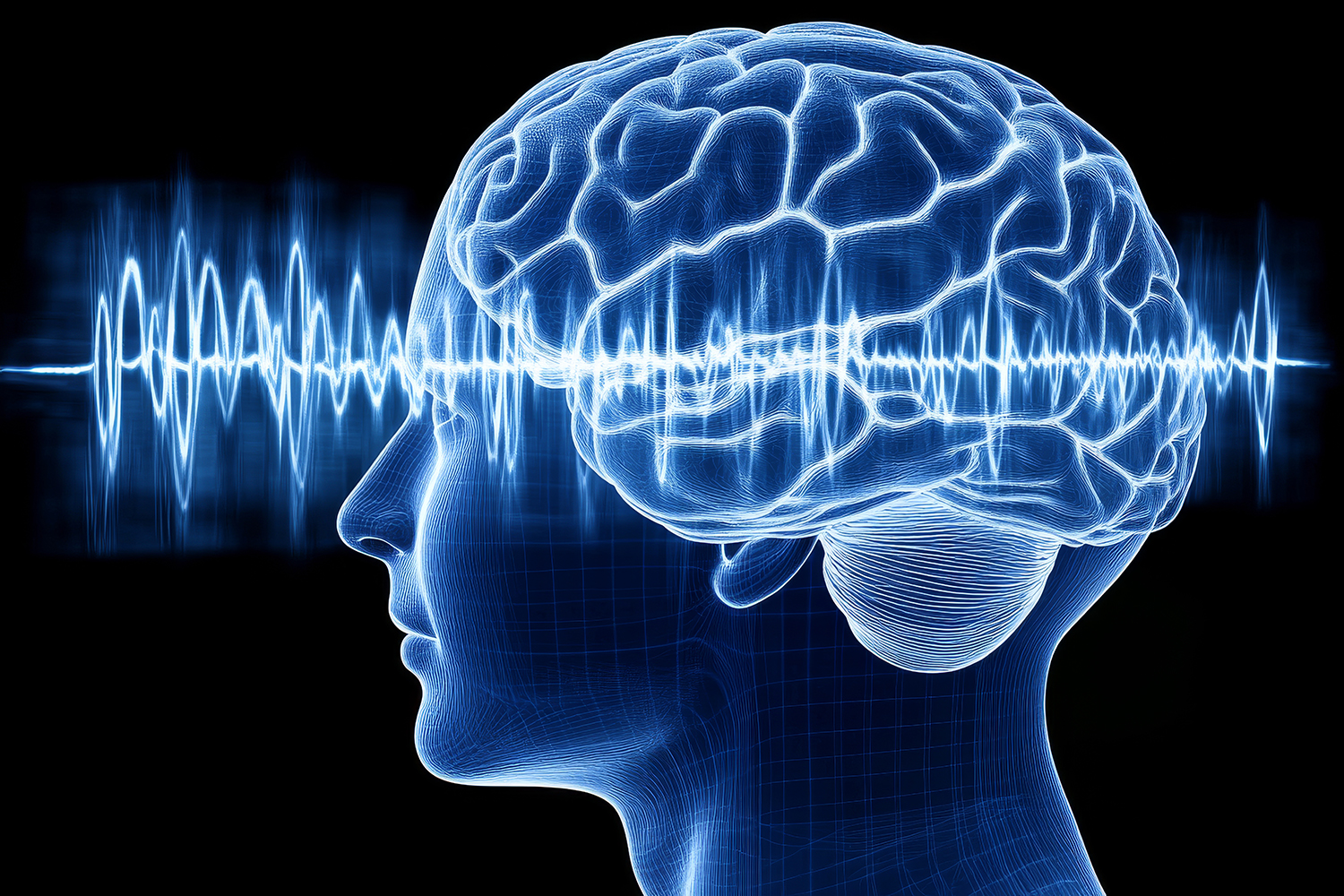
During neurofeedback sessions, sensors placed on the scalp measure these brainwave patterns in real time. The information is then used to provide feedback that helps the brain learn more balanced and efficient ways of functioning.
Different brainwave patterns are associated with different mental and emotional states. Certain patterns are linked to calm focus, emotional regulation, and restorative sleep, while others may be associated with anxiety, racing thoughts, impulsivity, or insomnia.
When brainwaves are dysregulated, often due to chronic stress, trauma, developmental factors, or neurological differences, symptoms can emerge. Neurofeedback works by helping the brain recognize and shift away from patterns associated with distress and toward those linked to stability and well-being.
Because neurofeedback supports overall brain regulation, it has a wide range of applications. It is commonly used to support individuals experiencing:
Neurofeedback does not suppress symptoms. Instead, it helps the brain develop more adaptive patterns that naturally reduce distress over time.
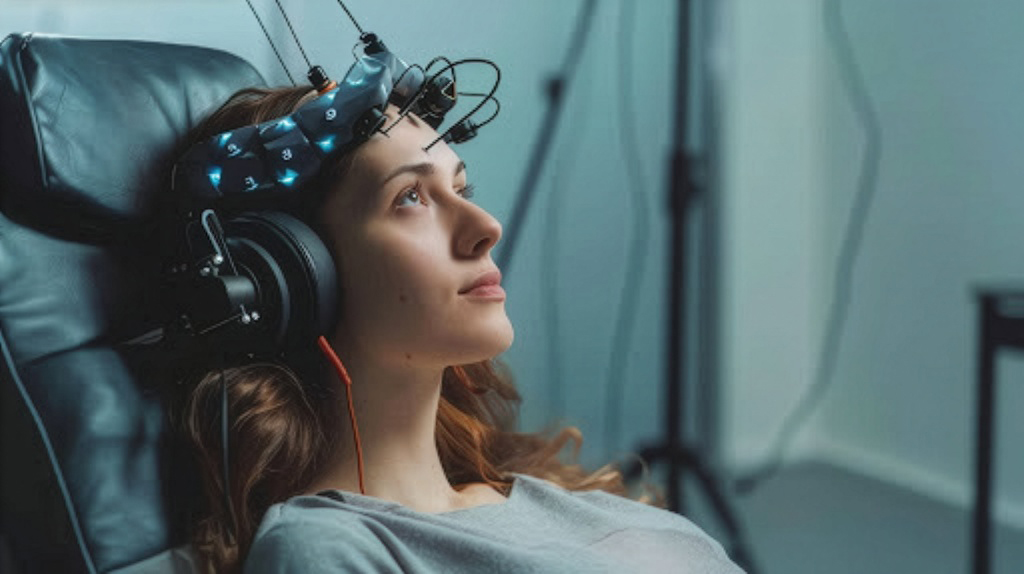
A neurofeedback session is comfortable and non-invasive. Clients usually sit or recline in a chair while sensors are placed on the scalp to measure brain activity. These sensors do not deliver electricity; they only read signals.
As the brain produces more optimal patterns, feedback is provided, often through a visual or auditory experience such as a computer animation or watching a movie. Over repeated sessions, the brain learns which patterns support better functioning and begins to maintain them more consistently.
Sessions typically last 45–60 minutes, and many people attend one to two times per week, especially at the beginning of treatment.
Research has shown neurofeedback to be effective for improving emotional regulation, attention, sleep quality, and stress tolerance. Many clients begin noticing subtle improvements within 6–8 sessions, such as feeling calmer, sleeping more deeply, or thinking more clearly.
A full course of neurofeedback often involves 20–30 sessions, depending on individual goals, symptoms, and neurological patterns. Some people require fewer sessions, while more complex or long-standing issues may benefit from a longer course.
Neurofeedback may be especially helpful if you:
It is often used on its own or in combination with therapies such as cognitive-behavioral therapy (CBT) or mind-body approaches.
With over 40 years of clinical experience, Beverly Brashen, Ph.D. integrates neurofeedback into a broader, holistic treatment model. Her approach is individualized and may combine neurofeedback with cognitive-behavioral strategies and yoga psychology to support both the brain and the nervous system.
By addressing neurological patterns alongside thoughts, behaviors, and lifestyle factors, clients are supported in achieving changes that feel sustainable and deeply grounded.
If you’re curious whether neurofeedback might be right for you or a family member, a consultation can help determine the best next steps. Neurofeedback is not about forcing change, rather teaching the brain how to function at its best.
Stay informed about the latest research in psychology.